Model

The NGS model

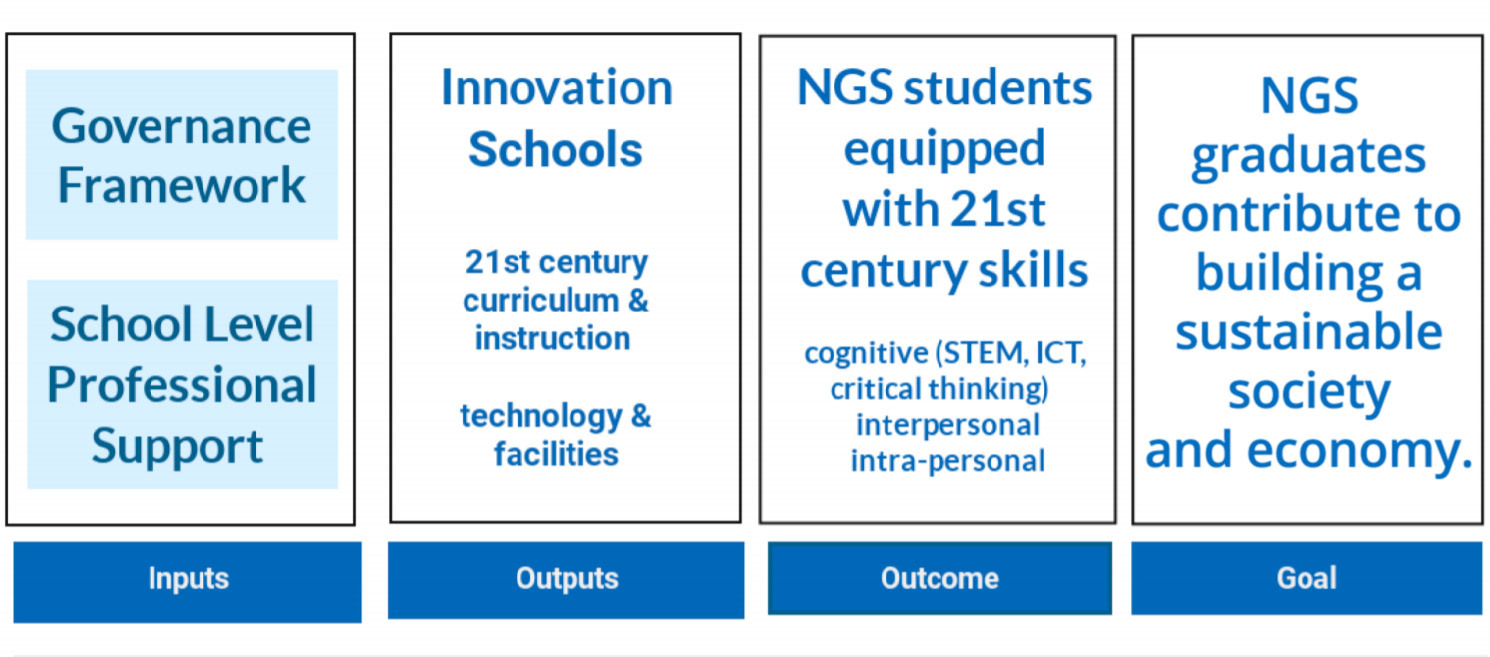
There are five key elements that make the NGS model successful.


Public-Philanthropic Partnership (PPP)

In most developing countries, access to high-quality public education is limited. Existing resources are often both poorly allocated and insufficient. Governments struggle to fix these deficiencies due to a lack of highly trained specialists, bureaucratic inflexibility and the inefficient allocation of public funds to the task.

Using a PPP mechanism with strong buy-in from national governments, NGS takes over the management of existing public schools and in exchange for stricter accountability, NGS schools are given the autonomy to bring in the great teachers they deserve with competitive recruitment, improved salaries, incentives, and career development training that inspires them as professionals to deliver more. These inputs as well as higher investment in each school on an annual basis are overseen by an NGS National Oversight Board chaired by the Minister of Education. This Board is a mix of state officials and civil society representatives, which further strengthens a PPP approach. The Board ensures that New Generation Schools remain transparent, cost-effective and accountable for their performance. It is important for Ministries of Education and national governments to be involved in the NGS programme because they can help streamline the bureaucracy and provide state financial resources to complement those from parents and private donors. The high performance of state schools under this programme also enables governments to push forward educational reforms that link school performance to investment, using the NGS model as a precedent. This is one of the ways that the NGS programming helps foster broader systemic change and reform.

School Facilities & Curriculum

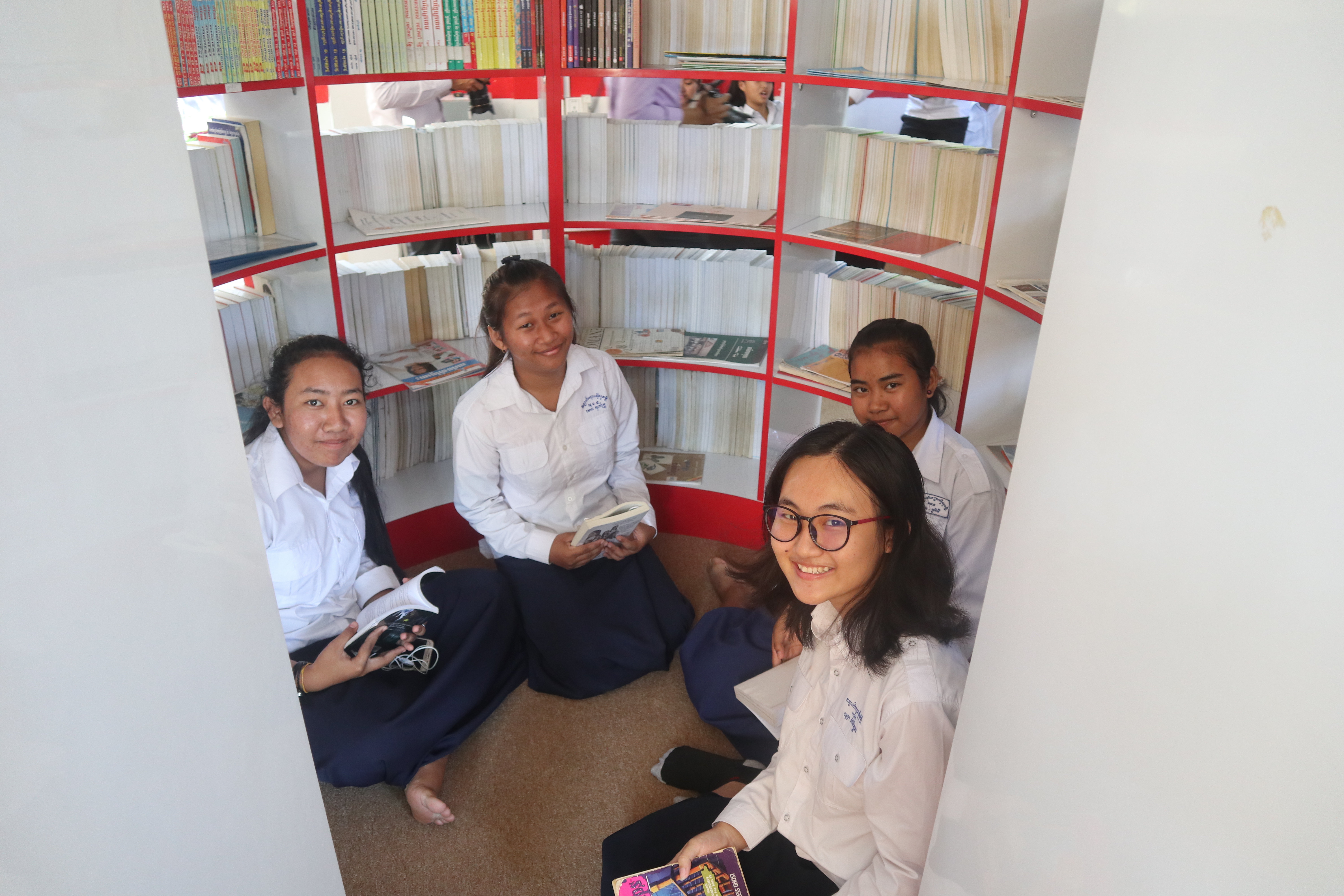
Because New Generation School emplacement generally takes place in existing schools, there is often no need for the construction of new buildings. Rather, investment focuses on modernization of existing structures. New school and classroom designs that generally depart from outdated configurations are a prominent feature of New Generation Schools along with 21st Century Library facilities, and modern science labs organized for group learning. New Generation Schools are wired to maximize opportunities for mobile learning and also have access to cutting-edge educational software. In addition, NGS complies with and fully embraces national curricula, but also enhances them by adding supplementary curricular materials and new textbooks, where appropriate. These modifications to the curriculum are enabled by the autonomous nature of a New Generation School.

Ownership

Cultivating local ownership in New Generation Schools is critical to sustainably phasing out external support. A benefit of the NGS approach is that by increasing the accountability of schools to parents for their educational quality, local ownership is greatly increased. This encourages communities to view New Generation Schools with pride and as their own responsibility, rather than the property of a foreign donor. In addition, the policy framework of New Generation Schools in the countries where it has been established ensures that these schools remain in the public domain and are very much a part of the Ministry’s planning to use NGS sites as a means to model excellence in other schools. At a local level within the school, teachers join Professional Learning Communities while students participate in Student Councils that further provide paths for wider engagement, feedback, and contribution.

Sustainability

The local ownership over New Generation Schools described earlier plays a vital role in helping donors to phase out their support after three years, with operating costs covered through small voluntary contributions from parents and a Social Equity Fund set up by government in conjunction with NGS to cover the costs of poor students who cannot pay any voluntary fees. The donor exit strategy to achieve sustainability is built into NGS programming from the very beginning by building on the idea of accountable performance linked to accreditation, a three to five year investment cycle during which time to achieve accreditation, and a policy framework, which gives the autonomy to schools to negotiate Parental Financial Support in exchange for sustained (and accredited) standards. The linkages between these elements of the NGS system are depicted in the figure to the right.

Sustainability Framework: Key Policy Elements of New Generation Schools Leading to Sustained Programming

Sustainability Framework: Key Policy Elements of New Generation Schools Leading to Sustained Programming

Cost-effectiveness and Accountability

A typical New Generation school with 450 to 500 students and 12 classes usually receives capital investment of about US $120,000 to US $150,000 in the initial period. Annual recurrent costs (mainly performance-based incentives) in the first three to five year period of circa US $150,000. Typically in the fourth year of operation, recurrent costs are transferred to parents and state support as mandated under an approved policy framework. This assumes of course that the school becomes accredited to validate compliance with mandatory NGS standards that must be renewed annually. There are regional differences between schools. In relatively wealthy areas schools can become fully independent by year four, even able to make a small profit. Schools however in areas of high poverty may take somewhat longer to achieve full sustainability without some level of support.


NGS theory of Change